Open up your mind and your potential reaches infinity…

Archive for the ‘Health’ Category

Preparing for the New Arrival- Prenatal Checkup


Every human being deserves to be in good health, at all ages.

For women likely or planning to embark on pregnancy need to be healthy is even more. The health of a woman has bearing not only to her own future health during and after pregnancy, but also of her unborn baby developing in her.

Unplanned pregnancies are at a greater risk not only to the mother, but to the babies with preterm and low birth babies. Some medical conditions and medications can harm the developing baby.
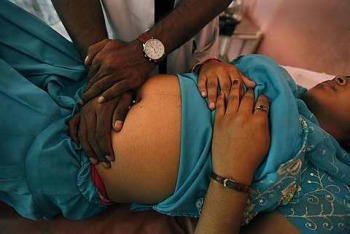
pregnant exam

Ideally the preparation for pregnancy should begin 3 months before getting pregnant. Some actions, such as quitting smoking, reaching a healthy weight, or adjusting medicines already in use, should start even earlier.

Steps to take before PLANNING a pregnancy:
1. All women need to take 400 to 800 micrograms of folic acid every day. It is proven that, folic acid lowers your risk of some birth defects of the brain and spine, including spina bifida. Talk to your doctor about your folic acid needs.
2. Stop smoking and drinking alcohol– it is better to start much earlier.
3. If you have any medical condition, be sure it is under control. Common conditions include: asthma, diabetes, oral health, obesity, or epilepsy.
4. For any over-the-counter and prescription medicines you are using, do inform your doctor about it. These include dietary or herbal supplements.
5. Be sure your vaccinations especially the Rubella vaccination is up to date.
6. Avoid contact with toxic substances or materials that could cause infection at work and at home. Stay away specially from chemicals and cat or rodent feces.
7. Avoid intake of fish that can be high in mercury, like shark, swordfish, king mackerel and tilefish.

If there has occurred an UNPLANNED PREGNANCY:
Start taking care of yourself right away.

• Take 400 to 800 micrograms (400 to 800 mcg or 0.4 to 0.8 mg) folic acid every day.
• Stop alcohol, tobacco, and drug use. Ask help for quitting smoking.
• Make a doctor’s visit to confirm your pregnancy.
• Discuss your health and issues that could affect your pregnancy. Find out what you can do to take care of yourself and your unborn baby.

What are the different periods/trimesters of pregnancy?

Pregnancy can be divided into 3 trimesters of approximately 3 months each. They are:

pregnancy trimesters.

What happens during prenatal visits?

During the first prenatal visit, you can expect your doctor to:

  •  Ask about your health history including previous pregnancies, other diseases, operations etc.
  • Calculate your due date from your last menstrual period.
  • Ask about your family’s health history
  • Do a complete physical exam, including a pelvic exam and Pap test
  • Check your blood pressure, height, and weight
  • Take your blood and urine for lab work—Blood group, Hemoglobin, check immunity to certain infectios esp Rubella, Varicella, Blood tests for infections like: hepatitis B, toxoplasmosis, syphilis, gonorrhea or chlamydia. You might also be offered a test to check for HIV, the virus that causes AIDS.
  • Will order for you an Ultrasound test: To detect the location, and double check the age of the growing foetus. The doctor may also ask for certain extra blood and US tests to check for fetal abnormalities.
  • Answer your questions—you must freely discuss all your concerns and fears with your doctor. Find out all you can about how to stay healthy.

Note: The purpose of first prenatal visit is to book with the doctor, get your date of delivery ascertained, check if there are any risks to the pregnancy & get basic tests done.

Following prenatal visits will probably be shorter.

  • Your doctor will check on your health and make sure the baby is growing as expected. Most prenatal visits will include:
  • Checking your blood pressure
  • Measuring your weight gain
  • Measuring your abdomen to check your baby’s growth (once you begin to show)
  • Checking the baby’s heart rate—Though Ultrasound can detect the heart rate almost at any early age, but for a heart beat by a Doppler is heard only after 3 months.
  • You will probably not need any internal (pelvic examination) till the later part of pregnancy.

Number and Frequency of prenatal visits:
Usually the visits are monthly till 28 weeks, then in two weeks, till 36 weeks. The purpose of the tests during the pregnancy is to ensure that the baby is growing as expected, and that the health of the mother is also normal. Regular checkups will help in finding out any deviation from normal early, and hence easy to handle.
Towards the end, after 36 weeks, the visits become weekly, just to make sure, that the growth and the position of the baby is normal enough for a normal delivery, or if not, then prepare for a surgical delivery.

Special Tests during pregnancy:
In the fifth month, the doctor shall ask you for a blood test to check Glucose tolerance. This is to rule out if you have the risk of developing high blood sugar in the pregnancy, as this can harm the growth of the baby.
Some specialist centers  may also do a ‘cardiac Ultrasound at five months ( 20 weeks) to check that baby has no heart defect.
If your Blood group is Rh negative while husband’s is positive, the doctor will ask for a Rh Antibodies test.

Ultrasound scans during pregnancy:

  • In the first 10 weeks of pregnancy the best way to scan is by inserting a small probe into the vagina. The examination is similar to an internal pelvic examination. Embryos as small as a few millimeters long will be visible on the TV monitor. The procedure my be a little uncomfortable for some, but it is not painful at all.
  • In later stages of the pregnancy, the scanning will be done via the surface of the abdomen. Ultrasound gel will be spread on the skin, then the scanner is passed over the uterus until the fetus and the placenta are found. Usually, the pregnant woman and her partner can watch the scan on the monitor.
  • In the first stage of the pregnancy, usually before 14 weeks, ultrasound scanning is used to check whether the fetus is alive and whether it is alone or one of twins or triplets.
  • By measuring the length of the fetus it is also possible to accurately determine when the baby will be due.Some major abnormalities can also be detected at this stage.
  • At 11 to 14 weeks, measurement of the thickness of the skin at the back of the neck (known as nuchal translucency measurement) can be used to calculate the risk of the fetus having a chromosome abnormality.
  • From 18 weeks onward  it is possible to examine the fetus in more detail. Most organ systems can be examined to ensure that the fetus appears to be developing normally. The spine, skull, brain, heart, lungs, kidneys, arms and legs can all be seen. If the mother is overweight, then the quality of the examination may be poor.
  • From 30 weeks onward  ultrasound is often used to estimate how well the baby appears to be growing. It is difficult to be precise about this but it is often useful if the woman has had a small baby in the past or has a condition that may affect the baby’s growth, such as preeclampsia.
  • The bloodstream in the umbilical cord is also examined to see if it is functioning well enough to transport sufficient oxygen and nutrition to the fetus.
  • It is also possible to check the position of the placenta to see whether it is lying normally or if the placenta is lying abnormally close to the inside of the cervix (a condition known as placenta praevia).
  • There is no scientific evidence to support the concern of harm caused by repeated US scan.

pregnancy_ultrasoundObsUS

Last weeks of pregnancy:

  • After 36 weeks till 40 weeks you will be asked to visit every week.
  • Apart from the usual weight and blood pressure, the doctor will lay more emphasis on the abdominal and pelvic examination to assess the position of the baby and its possibility of a normal birth through vaginal delivery.
  • If the baby is with head down, you are good to go with normal delivery.
  • If the baby is positioned otherwise i.e. rump or legs first( breech) the doctor might try to over the abdomen to turn the baby to head down. This is called as external cephalic version.
  • If it still remains so, then you might need Cesaerian section.
  • In the last visits, do ask doctor about any questions that arise in your mind, pertaining to the child birth, like sexual intercourse in the last weeks, or about the preparation of the new arrival, like Breast feeding the baby, and other concerns. This is also the right time to discuss, what are the different methods of birth control, in order to space the next child.

Role of the Dads to be:
You know it takes two to make a baby. She’s not the only one who’s expecting, you too are. Hence the responsibility does not stop there. Nor does it stay limited to driving a screaming partner to the hospital for child birth and then pacing in the corridor to hear if it’s a girl or a boy.

Research has shown, the Dads who take part in the pregnancy have less infant mortality rates. And there needs to be a relationship built with the baby while the baby is in the mothers womb.

OJO-PE0068533 - © - Chris Ryan

Some of the things fathers-to-be need to do:

  • Create a birth plan together-the doctor to be seen, the place of birth, the method of birth, even about the time baby arrives.
  • Read up together with the Mom to be about pregnancy from the net, books, hospital brochures etc.
  • Accompany her to her prenatal visits, her tests and Ultrasound scans. Also know what is being done and why?
  • Nurture the Mom to be—understand her condition, her anxieties, help her in the daily chores, make her rest, and most of all pamper her, after all she is carrying your baby.
  • Build a relationship with the baby. Studies show that babies in the womb can hear outside noises (and voices) as early as the fourteenth week. By talking to your baby he/she will be familiar with your voice even when still in the womb and this will help develop a closer bond with your tot before he/she enters the real world.
  • Lastly, enjoy your new role, don’t take it as a challenge or burden.

Dr. Bradley said (in his path-breaking book “Husband-Coached Childbirth”), “You can’t beat a husband as a companion in labour!”

pregnancy Dad

Childbirth:

From 36 weeks to 40 weeks , it is normal time for childbirth. If no onset of labor  pregnancy can be allowed to go on till 42 weeks, but there is close watch at the baby with weekly checkups.

Majority i.e. 85% or more have normal childbirth, while 15% or less may need a Caesaerian section.

There are many details, and information an expectant couple would like to learn, about child birth. The are many details you need to know, and hence I suggest you to read, and understand about Sign of labor  types of delivery  episiotomy, epidural anaesthesia etc and know terms like Labor Pains, cervical effacement, breaking water, episiotomy etc. This link answer many of your queries.

newborn

“A mother’s joy begins when new life is stirring inside… when a tiny heartbeat is heard for the very first time, and a playful kick reminds her that she is never alone“

How to avoid Cancer !


What is cancer?
Cancer is not just one disease, but many diseases. There are more than 100 different types of cancer.
Cancer is a term used for diseases in which abnormal cells divide without control and are able to invade other tissues. Cancer cells can spread to other parts of the body through the blood and lymph systems.
Cancer is a leading cause of disease worldwide (GLOBOCAN estimates that 12.7 million new cancer cases occurred worldwide in 2008).

The top 4 causes being:
• Lung (12.7%)
• Female breast (10.9%)
• Colorectal (9.7%)
• Stomach cancer (7.8%)
In all these four cancers account for 40% of deaths from cancer.

Although the incidence rate in developed countries is twice as high as the developing countries like ours, but the outcome ( in terms of death and disease) is much worse in the developing countries, owing to poor detection at early stage, and poor case management. However, the incidence of cancers related to infections like stomach, liver or cervix ( which can be prevented) are more common in developing countries.

GOOD NEWS is that about half of all cancer cases are preventable. Prevention offers the most cost-effective long-term strategy for the control of cancer.
And even Cancer diagnosis is still not a death statement. If detected early can be cured.

Many reasons within our genes, our lifestyle, and the environment around us may increase or decrease our risk of getting cancer.

There are simple measures that we as ordinary human beings can take to prevent cancers to some extent.

Here are they :

Part 1

LIFESTYLE:

TOBACCO in smoke or chewable form TOPS the list.
Tobacco use is the single greatest avoidable risk factor for cancer mortality worldwide, causing an estimated 22% of all cancer deaths per year.
Cancer that tobacco can cause are of lung, esophagus, larynx (voice box), mouth, throat, kidney, bladder, pancreas, stomach, cervix and female breast.
About 70% of the lung cancer burden can be attributed to smoking alone.
Second-hand smoke (SHS), also known as environmental tobacco smoke, has been proven to cause lung cancer in non-smoking adults.
Avoiding tobacco is best, however cessation of the use of tobacco, gradually reduces the risk, and in 15 yrs is as good as for non smokers.

ALCOHOL
Alcohol is a risk factor for many cancer types including cancer of the mouth, pharynx, larynx, oesophagus, liver, colorectum and breast. Risk of cancer increases with the amount of alcohol consumed. The risk from heavy drinking for several cancer types (e.g. oral cavity, pharynx, larynx and esophagus) substantially increases if the person is also a heavy smoker.
WEIGHT & EXERCISE
Obesity is a cause for most chronic diseases and cancers, including breast, prostate, lung, colon and kidney and endometrium.
A general goal of 30 minutes exercise every day and keeping the body weight in the normal range can avoid from a lot of cancer risks.

RISKY BEHAVIORS:
-Practice safe sex & do not share needles, sharps like nail cutters and razors. There may cause Hepatitis B, C or HIV infections which can then lead to Liver or other cancers. Cancers caused by infectious agents(viruses etc) are more common in developing nations e.g. Cervical Cancer, Liver Cancer and Stomach Cancer.

SUN EXPOSURE:
Light skinned especially should protection from sun by use sunscreen with SPF >30 between 10 AM and 4 PM. Skin cancers like Basal Cell Carcinoma(BCC) or Melanomas. BCC are less aggressive but Melanomas are very aggressive and fast growing cancers & kill 75% of those who have them.

PART-2
FOOD

What makes some foods cancerous?
Refined sugars: They act as fuels for the growing cancer cells, as ready energy. Terms suggestive of refined sugars on food labels are: high-fructose corn syrup, sugar, sucrose, enriched bleached flour, white rice, white pastas, white breads and other “white” foods. Refined flour are also lacking in fibres which cause cancer.
Hydrogenated and partially hydrogenated oils: Besides being a cancer factor, trans fats promote heart disease, interrupt metabolic processes, and cause belly fat(obesity) that in turn are again another cause of cancer.
Sodium nitrite (and nitrates): Added to give pink color to the meat. During the digestion process, however, sodium nitrite is converted to nitrosamine, and that’s where the cancer problems begin. Nitrosamine is a carcinogen. Nitrosamines are also found in food items that are pickled, fried, or smoked; in things such as beer, cheese, and fish by products, and tobacco smoke.
Saturated fats: Usually of animal origin which may cause obesity which is indirectly or directly related to certain cancers.
• Some chemical additives like coloring agents and flavouring agents have also been known to be cancerous.

Top cancerous Foods:
1. Soda pops, sweetened drinks: >2 servings per week increases Pancreatic cancer by 87%. Glucose and Fructose both feed cancer cells. Women who ate the most high-glycaemic-load foods were close to three times more likely to develop colorectal cancer.
2. Fried foods: French fries, hash browns, potato chips, samosas, pooris. – Apart from calories, they contain saturated fat and trans fat, they also contain acryl amides. They should be called “cancer fries,”
3. Processed meats and bacons: burgers, sausages, bacons. Nitrosamines are produced from fat at high temperature cooking, as in tobacco smoking. People who eat a lot of processed meat may be 50 percent more likely to develop colorectal cancer, stomach cancer or pancreatic cancer.
4. Red meats: Beef. Researches show even eating twice a week, they raise a risk by 20% of cancers of breast, colon and prostate cancers.
5. Donuts, Cookies, chips and crackers: Refined sugars, refined flour and trans fats. They scream for themselves that they are cancerous foods.
6. Charred meats, smoked meats: Many studies including one from Harvard have shown a high link between charred meats and cancer of colon, stomach. Even delicious smoked meats are high in nitrosamines due to the nature of their cooking. Trick is eat them sparingly, if cannot avoid.

How can healthy eating prevent cancer?
The main principle is eat simple:
Eat unprocessed foods and base your diet largely on plants. Consume foods that have omega-3 fats and other essential fatty acids.
Eat lots of fruits and vegetables; many common ones have known cancer-fighting properties.
Get regular vigorous exercise, since tumors cannot thrive in highly oxygenated environments.
Keep your blood sugar stable to avoid being an all-you-can-eat buffet for cancer cells.

Top cancer preventing foods:
Green leafy vegetables: These cute little green trees help to fight off stomach, liver, skin, lung, bladder, prostate, and breast cancers. Broccoli contains sulforaphane, an antioxidant that rids the body of cancer-causing toxins.
Hint: Cooked Brocolli tastes mushy, so avoid over cooking, leave it crunchy, or make stir-fry, or eat raw in salads.

Berries: The darker the berry the better still. Blackberry, blue berry, strawberry, raspberry. They contain anthocyanins, antioxidants that slow the growth of premalignant cells.

Garlic: Fights the nitrosamines in the red meat.
Clue: Add garlic to your tomato puree, sauce.

Tomatoes: contain lycopene, which has been shown to stop cancer cell growth according to research. The sure fire way to increase lycopene is by cooking tomatoes.

Walnuts; are the best among nuts for fighting both breast and prostate cancers. Adding just an ounce of walnuts a day will help to keep the cancer away. Vitamin E (gamma-tocopherol) found in nuts and plant seeds may slow the growth of cancer cells.

Beans: Navy and black beans help delay cancer growth of breast and colon cancers. Add a half a cup to your diet a week, at least!

Coffee: Research shows that coffee may contain healing antioxidants as well, preventing colon cancer, diabetes, and Parkinson’s disease. An alkaloid in coffee may even prevent cavities!
Studies also show that drinking coffee helps reduce muscle soreness and improves stamina
Harvard researchers are finding an intriguing link between coffee and the prevention of an aggressive type of prostate cancer. However, it’s too early to recommend boosting coffee drinking to men, although one cup of coffee might be helpful.

Green Tea: Antioxidants of green tea are also known to be cancer preventive.

ENVIRONMENTAL TOXINS:
Many environmental toxins are blamed to be carcinogenic.

The topic of environmental carcinogens is vast and controversial. For details on each aspect and toxins see the link: Here

Part- 3

KNOW YOUR BODY:
Keep a regular check on your body- any moles on the skin, or your breasts ( in women) or testicles (in men), especially while taking shower, or changing clothes. If you feel any change in the shape size, or feel any lump, or feel any change in your body or symptoms which appear unusual to yourself, you must take doctor’s opinion. Please do not panic. This does not mean you necessarily have cancer or a serious problem. But even if it is, it will be detected early.

BE INFORMED:
Cancer Prevention and Early Detection strategies:
Certain cancers are known to be caused by viruses, and being infectious spread easily in developing countries. They can be avoided by using their vaccines:
Hepatitis B Virus: A set three vaccines given will prevent Hepatitis B which is a common cause of Liver Cancer
Human Papilloma Virus: A sexually transmitted virus that can cause cervical cancer. A new vaccine against HPV protects 99% against Cervical Cancer.
Helicobacter pylori: For stomach cancer. Hence when detected, must be treated promptly by consulting a Gastroenterologist.

ALSO BE INFORMED THAT: There are certain cancers which can be screened and detected early and prevent complications and premature death.

Following two blogs shall explain in detail how to prevent or detect cancer early. There are specific screening tests and issues in men and women which shall be discussed in next two blogs: Early Cancer Detection in Women & Early Cancer Detection in  Men, respectively.

There’s a famous saying: An apple a day keeps the doctor away. The ( not so secret) apple for cancer prevention is:

Take home apple, oops message is: “Half of the cancers are preventable and can be avoided through healthy living and better awareness.”

I dream of a Polio free Pakistan


In January 2012, India was declared to have not reported a single case of Polio for over a year. Knowing its vast area, huge population, diverse terrain and socio economic disparity, to have achieved this was a mammoth achievement. My joy of the news was terminated, before it began, when I realised how far Pakistan was from this goal, especially after 173 cases being diagnosed in the past year , and a few almost recently. My heart shuddered to question, “How long would this take Pakistan to reach that goal of being Polio free?”

However June 2012 and early July brought forth a new wave of hope, when the UNICEF’s Regional Director, Karin Hulshoff, wrote in a newspaper of her excitement and optimism with which the work of Polio eradication was progressing in Pakistan. According to a report by a scientific group, there were only 22 cases in the past six months as compared to 58 the same time last year. Owing to the introduction of a new bivalent vaccine, there have been better results, with Pakistan approaching the hopeful day of eradication faster. She stressed that now more emphasis should be given to the coverage of missed cases, or those never vaccinated earlier. “Even one child missed is a lost opportunity to eradicate polio from Pakistan forever”. Hence to not miss any case, the program was geared up everywhere and in the FATA too.

The same time was the case of Dr Afridi for spying came to light. It is sad, media also misreported, and many among the common masses still believe that Dr Afridi was associated with Polio campaign, though the truth remains that he was collecting samples for the hepatitis C virus.

The coincidental increase in the activities of Polio campaign to speed up the Polio eradication, and Dr Afridi’s spying mission led many to misunderstand that there was some conspiracy against the tribal region, through Polio vaccination. There could be no two opinions about abusing the trust of the people on health workers for one’s vested interests. It is extremely deplorable. But should one or more such Dr Afridis succeed in putting the health of 240,000 innocent children at risk?

How about the tribal elders instead, recruit their own trusted workers to give the two drops of Polio to their innocent kids and secure not just the future of kids, but also their own reputation as being concerned and caring for the humanity?

However, the ban by the tribal elders for the July16-18 Polio drive was to ask for a total stop of drones. Drones are a tragedy, and are inhuman, especially the loss of innocent lives of children are deplorable, but to use one’s own children as a first line of defence, and deprive them of their right to be safe from a crippling disease, is as unfortunate. I wish the tribal elders who are genuinely concerned about the lives of their common people killed by drones, understood, if their community stays burdened with ill health, they shall be unable to defend themselves either from extremism or any outside aggression, but also get more isolated in the international community.

Can there be no stronger, yet humanitarian ways to protest for stopping of drones, which does not tarnish the image of the tribal men and women?

Shahid Afridi’s inclusion into the Polio campaign is a welcome, and rekindles the hope to see the dream of a Polio free Pakistan come true, sooner than I had feared. Shahid Afridi has stood up for a great service to his own tribal children. He is a true hero and a true humanist; who has roots from the tribal area. In a tweet he remarked:

Afridi vs Polio ‏@AfridivsPolio
#Pakistan is my country and to #SpeakUpAgainstPolioBan is my duty.

At the same time it is hurting to see people of tribal areas being ridiculed ( though rightly so)  internationally for their decision

“Oh yes, I see it, polio vaccines for kids and drone attacks, there is a close relation. CRAZY! #speakupagainstpolioban.”

Or see the decision as illogical:

“Its like cutting your own hand as your protest against a theft, or lashing yourself against the fornication by a foe.”

Another tweep saw how the decision is ultimately going in favour of the aggressors who are being protested against:

They are killing children through drone attacks and these people are trying to make their children crippled for life. It is fulfilment of aggressor’s interests both ways.

Children from the tribal areas are as dear to us as anywhere else in Pakistan. We dream of seeing them Polio free too, and be healthy in every way. We are equally hurt at the drones attacks on the innocent.

I repeat, there can be innumerable stronger ways of protest to make international community notice the aggression and causalities caused by drones, instead of making innocent humanity, whether by killing the health personnel or innocent human beings, or depriving the children of Polio vaccine, a symbol of their protest. This simply leads to tragic loss of credibility and lack of sympathy from the international community. The image of the fellow Pakistanis living in tribal areas, including their elders being tarnished by such decisions hurts, because we know they are as human as any one of us, in Pakistan.

At the same time politicians across the board, remain criminally silent to the issue. Even the kids are not spared now, from being used as  bait for political agendas.

However, I insist I still dream for a Polio free Pakistan from Karachi to FATA.

Please do not play politics with the health of innocent kids !


Published in @ETribune : http://blogs.tribune.com.pk/story/12865/dont-play-god-with-the-lives-of-innocent-children/

As the rest of the world is sprinting forward, we in Pakistan seem to be walking backwards. One used to get this sense sometimes, but now with passage of time, it comes more often. With the fact that most of the difficult places like India having grappled with a serious health issue like Polio, and are at the turn of calling themselves polio free, we in Pakistan are not just not close to that, but even retreating fast to make sure we get further away from this dream.

The news of North Waziristan deciding to impose Polio drops ban in their area as a protest against the drones, or the boycotting of Polio campaign in Drazinda village while protesting against the load shedding, brings in not just shivers to the health conscious on this globe, but also gives yet another reason for Pakistan to be a focus in the international circles for a ridiculous reason.

They have a right to register their protests against drone’s attacks, or of Dr Afridi’s betrayal or even against load shedding. But how is this justified by turning ones guns against the innocent kids who are in no way directly or indirectly responsible for any of these unfair actions.

How is banning of Polio drops to the kids going to make a difference to the drones? Is it not akin to hitting your own foot with an axe, crippling yourself even more, making your own children, who are the youth of tomorrow, be burdened with more illhealth and handicap? How will this help them stop drone attacks, or generate more electricity or prevent more Dr Afridis being recruited?

How are risking one’s own children to a crippled life, a way of avenging the atrocities of the aggressors?

As said by a twitter friend: “Taliban want to kick US outta Afghanistan/Pakistan but they never know kicking with polio affected legs is quite impossible ‪#PolioBan‬”

No atrocity is large enough to avenge the innocent kids, be they are from any ethnic community or faith or nationality. And to our horror, the Taleban are putting to risk their very own kids.

A tweep justifying the Polio ban remarks: “But people from your profession (referring to Dr Afridi) for betraying the Polio campaign”.

Does one or a few insincere health professionals justify you to make your own children risk being crippled with Polio. Who are you hurting by this? The health professionals or your own kids?

They argue the drones kill more children than from Polio? Yes this is true, and killing of children by drones is criminal like risking the health of innocent children by Polio ban is criminal too. They harm and kill your children, but you in return risk crippling your own children. Is there any commonsense in this logic?
Those who continue and justify drones by all means, will they stop by your threat of Polio ban? Who will it hurt the drones or your own kids?

Or is it because this is the easiest way out, to kick out the unarmed sincere medical personnel, and lash out at unaware innocent children, both of whom will not be able to defend back, this extremely  unfair decision, with equal force.

As a medical professional, I can only scream loud and cry that they have no right to aggressively jeopardise the health of the innocent, at the cost of another aggression.

Which sect of Islam, or which moral value of humanity or which aspect of the hospitality of the large hearted tribals justify for avenging a wrong action with usurping the rights of the meek and the powerless , innocent kids?

Avenging an injustice, by risking the health and crippling your own children for life?
What kind of courage and valour is this?

I am aghast to see that there are educated on Twitter who are justifying‪ the polio vaccination ban, what to talk of those who give it a silent support. ‪

Polio vaccination ‬ campaign should not be used as a shield against drones. It wont help, but be counterproductive. Will it harm the aggressors or the innocent Pakistani kids?

Polio isn’t petty politics for which politicians, civil society, liberals or conservatives, or general public should not speak up. For the health of Pakistani kids, and for the sake of humanity, please speak up.

I beg you all, please speak up against the Polio Vaccination ban.

This appeal was in response to this news :

http://articles.cnn.com/2012-07-17/asia/world_asia_pakistan-taliban-polio-vaccine_1_polio-vaccines-polio-campaign-drone-strikes


Allergic Rhinitis ~ Oh that itchy runny nose


It’s just not funny
When your nose is runny;
You feel all soggy,
Hoarse and froggy.
Your throat is scratching;
The germs are hatching.
You know it’s catching
KERCHOOO!
– “Runny Nose” by Kay Winters

Thanks to nose, beyond the sense of smell it has another very important function! It is literally the guardian of our body’s respiratory system. The air tubes which carry air into our lungs, the nose moistens and warms the air that we breathe in, and filters out a lot of pollution before the air enters lungs.

If a person repeatedly suffers from sneezing with running nose that itches and feels stuffy, it could be allergic rhinitis.

Myth: Every runny, stuffy nose, is not bad cold.
Truth: Allergic rhinitis is not “simply” a cold, and if it is not treated properly, it can lead to more serious problems in the long run.

What is Allergic Rhinitis?

Allergic rhinitis an allergy of the nose.
Before we understand Allergic Rhinitis we should first of all understand “What is allergy?”
Human body has a unique defense system called ‘Immune System’. The Immune system fights and protects us from diseases just like the army which protects a country from adversaries. When harmful things such as bacteria or viruses enter human body, the immune system rightly recognizes them as “enemy” and attacks them.

But at times our immune system gets confused about the enemy. It reacts to harmless things like dust particles, the hair of animals, the pollen from plants and trees, and sometimes even certain food items.

Symptoms: Besides nose, allergy can affect various parts of our body such as the skin and eyes. There is excessive sneezing, itching and watering from the nose and eyes. The congested nose can get blocked.

What causes Allergic Rhinitis?

Pollens from plants and trees, house dust mites, animal dander, smoke and other pollutants and sometimes even drugs (especially aspirin) are some of the allergens which trigger conditions like allergic rhinitis.

Don’t confuse Allergic Rhinitis with Common Cold.

Allergic rhinitis is caused by allergens, whereas a cold is caused by bacteria or virus. Both these problems are accompanied by sneezing, running/blocked and itchy nose. Here are some of the signs which can help us to identify allergic rhinitis:

• There is no fever and body ache.

• The mucus in nose is clear and runny, not yellow/green and thick.

• One may sneeze many a times before the sneezing attack stops.

• There is itchy feeling in Nose, Ears and Throat.

• Eyes water a lot.

• These problems stay longer than a typical cold.

Can Allergic Rhinitis cause serious complications?

Though allergic rhinitis does not threaten life, it can certainly disrupt one’s life. It affects sleep pattern; performance at school or work, and makes one feel and look miserable. All that is bad enough, but also, if allergic rhinitis is not treated properly, there can be other problems, some of them more serious, like:

• Conjunctivitis: The conjunctivitis is the thin covering of the white part of our eye. An allergic reaction can cause swelling, redness, itching and watering of the eyes.

• Nasal Polyps: Polyps are fleshy growths caused by swelling of the lining of the nose. Polyps can become large enough to block breathing.

• Sinusitis: Fluid collects in the sinuses, which are hollow cavities in the bony area around the nose. Bacteria collect in this fluid and cause infections.

• Asthma: Frequent symptoms of allergic rhinitis like swelling, itching and watering may lead to asthma in the long run.

How can we treat Allergic Rhinitis?

“Say goodbye to the habit of Pill-Popping. Self-Medication can harm in the long run. Consult a doctor, who will study symptoms and condition and then suggests right treatment.”

Exposure to allergens should be avoided. Follow few essential steps which help to control things that make Allergic Rhinitis bad to worse:

• Exposure to furry/hairy animals should be avoided. If you have a pet, keep it out of your bedroom/living area.

• Ensure curtains, bed sheets, carpets and soft toys are washed frequently.

• Enclose mattresses in plastic covers and if possible, if possible change the foam mattresses that are more than five years old.

• Vacuuming is better option than sweeping. Clean furniture and doors with damp cloth, because this removes dust better than dry dusting and sweeping.

• Make sure walls of your house are free of mould and fungi. Use mild solution of bleach to clean and get rid of moulds.

• Do not smoke, and make your home a “No-Smoking Area”.

Following these simple steps would certainly ease your life with Allergic Rhinitis.

Courtesy: This post has been prepared by Dr Raminderjit Singh.

Stress~the silent killer


You are not alone. Stress is a phenomenon affecting all people from all walks of life, in all countries.

Stress is man’s psycho-emotional response to everyday challenging issues and its overload of demands, in excess to his capacity to cope.

What causes stress? 

Stress can  be caused by multiple reasons that occur in everyday life,  like  unexpected turns and twists in career, relationship problems in family or outside, financial losses, fear of disease or death, even a small tiff with near and dear ones may cause stress.

As goes the saying, “There is no stress either before birth or after death”

How does stress affect us?

The manifestation of stress depending upon its intensity or duration. It begins in the head, but descends down to affect the whole body. There can be a healthy body only when there is a healthy mind. It may manifest outwardly as:

  • Insomnia
  • Involuntary weight loss or gain
  • Irritability
  • Anxiety
  • Anger/ Rage

Stress being silent operator, most people do not realize that they are dangerously living with it, till they suffer from its grave after affects.
And when prolonged without intervention can lead to serious issues like:

  • Bodyache/Backaches ( all pains seem exaggerated in stress)
  • Asthma ( not all but some asthmatic attacks are result of psychogenic stress)
  • Hypertension
  • Stomach ulcers
  • Diabetes
  • Heart (cardiovascular) diseases.
  • Depression
  • Suicides.
Studies show: Stress is a major contributing factors either directly or indirectly, to coronary artery disease, cancer, respiratory disorders, injuries due to accidents, cirrhosis of the liver and suicides.

DO YOU KNOW?  

One American is reported to be dying every minute due to stress related cardiac arrest. The medical costs due to direct or indirect consequences of stress alone have been estimated in the United States at well over 1 billion US dollars per year.

A person tries to commit suicide in China every two minutes, giving the country one of the highest suicide rates in the world. These have positive correlation with high intensity stress, owing to an ultra modern life style in a highly competitive environment.

What should you NOT do during stress:

 Smoking
 Drinking too much
 Overeating or under eating
 Long hours in front of the TV or computer
 Withdrawing from friends, family, and activities
 Using pills or drugs to relax
 Sleeping too much
 Procrastinating
 Keeping toobusy to avoid facing problems
 Taking out your stress on others (lashing out, angry outbursts, physical violence)
 Carry your office work or stress at home.

KNOW THAT: “Anger is an acid that can do more harm to the vessel in which it is stored than to anything on which it is poured.” ~Mark Twain

How to control Stress:

The key principle to follow in case of stress would be to ignore what cannot be controlled and to control what cannot be ignored.

Face the music: For managing stress there can be two approaches ‘fight’ or ‘flight’. Either face the music or escape it. You cannot wish away stress. It is and will be an integral part of modern and increasingly competitive society.

Stay in control: Do not let the stress to control you. Keep stress under check through will power, proper cultivation of mind, cultivation of positive psyche and meditation.

Be an optimist: Optimistic outlook, cheerful temperament, positive attitude, cultivating sympathy, self discipline, all help to keep mind in good shape. Session with God can be a kind of divine-de-stressor.

Eat Healthy: By having a healthy diet, doing regular exercise, and getting enough sleep your body will be able to cope with the stress.

Move forward: Do not needlessly get tied to the past, get over hangover of the last night and start the morning with a hope for a bright day and brighter tomorrow.
Think of pleasant past, enjoy your present and plan for a future with cheers.

Be a home pigeon: Make home your love nest, where office does not exist. Parents, wife, children are your love companions. Reserve Sundays and holiday for spending time with your loved ones, for relaxation and recreation. Your family is the last line of defense against stress.

Tickle your funny bone: Include humor in your life. Laugh away the oddities of life.

Love yourself: Have a me time. Listen to music, see movies, read favorite authors, cultivate hobbies.

Be a social animal: Invite friends over at home, eat together, laugh together, spend week ends or vacations out with friends.

BOTTOM LINE: You can yourself pose to CALM down stress, what ‘CALMPOSE’ cannot do. 🙂

This text of this blog is generously contributed by Dr Raminderjit Singh. Thank you, Doc 🙂

OsteoArthritis ~the wear and tear joint disease


Osteoarthritis (OA) is the commonest form of arthritis that occurs as a result of wear and tear of the joint.
As the protective cushion over the bones within the joints, called cartilage, gets worn out gradually, the symptoms get worse. The joints begin to crackle, get stiff, then pain and ultimately cause limited mobility.

Note: This is different from Rheumatoid Arthritis, which occurs in young age, and is less common, but more severe.

Which Joints?

It can occur in any joint, but the most commonly affected are those joints that are used the most- of hands, lower back, knees and hip.

What happens to the joints?

In knee joint:

In the spine:

What can a damaged joint do?
From stiffness, the joints progress to pain off and on, then more lasting pain, ultimately leading to limitation of joint movement, and restricted mobility. The damaged joint can cause blockage of blood supply to the joints, bleeding in the joint or permanent bone impairment.

Although there are pain killers, acupuncture, physiotherapy which can reduce pain, or even surgical procedures like joint replacements, which can improve joint function, but it is the wisest to slow the wear and tear ahead of time.

Risks that are associated with increased wear and tear osteoarthritis are:

Older age.
Gender: Women are more likely to develop osteoarthritis, though it isn’t clear why.
Bone deformities: Some people are born with malformed joints or defective cartilage, which can increase the risk of osteoarthritis.
Joint injuries:Injuries from sports or from an accident, hasten the wear and tear, and hence OA.
Obesity: It is common sense that heavier the weight, faster and worse is the wear and tear.
Sedentary lifestyle as the more the activity, the more nourished is the cartilage.
Occupational: Jobs that cause repetitive stress of a particular joint also increase the wear and tear-like the joints of hands in typists, computer users, knees n those who stand for long like the policemen, etc.
Other diseases.: Diabetes, underactive Thyroid, Gout or Paget’s disease of bone can increase the wear and tear OA.

How can we slow down the wear and tear of joints?

OA is not inevitable with old age one follows a healthy life style. However,  cannot avoid age related wear and tear, but one can certainly minimize the damage caused by misuse of our joints.

You can be a best friend of your joints if you:

1 – Maintain Your Ideal Body Weight : A force of 3-6 times a person’s body weight is exerted across the knee while walking e.g.being 10 pounds overweight increases the force on the knee by 30-60 lbs with each step taken while walking. The force across the hip is, at most, 3 times the body weight. Losing weight reduces stress on the joints substantially.

2 – Exercise Regularly and Participate in Regular Physical Activity For optimal joint health, it’s recommended that people perform 30 minutes of moderately strenuous exercise at least 5 days a week. It’s an established fact that regular exercise has health benefits

3 – Protect Your Joints: There are several joint protection principles, which if followed, will help to conserve energy and preserve joint function. The advice is quite simple, but you must be mindful of proper movements and recognize body signals (e.g., pain). Good posture and proper body mechanics is important.
Check the various Joint protection techniqueshttp://www.spectrumrehab.net/Articles/joint-protection-techniques.html

4 – Avoid Repetitive Stress on the Joints: Signs of repetitive stress include too many uninterrupted repetitions of an activity or motion, unnatural or awkward motions, overexertion, incorrect posture, and muscle fatigue. Unfortunately most of them are occupational and hard to avoid. Hence one has to create innovative ways to avoid them.
{Clue: Search on internet prevention of joint stress specific to your occupation}.

5 – Listen to Your Pain: This recommendation seems so obvious, yet people don’t always do it. Learning to view pain as a signal that you are overdoing it and that it’s time to rest requires conscious effort. Balancing rest and activity is optimal for healthy joints. It’s part of self-management to learn not to overuse your joints and to learn not to push past your limits. Consider that the pain is like a stop sign.

6 – Avoid Injury to Joints: Previous joint injury is recognized as a common cause of osteoarthritis. In joints burdened by improper alignment due to injury, articular cartilage wears away and osteoarthritis can begin to develop. Avoid injury if at all possible — and if you do injure a joint, seek treatment immediately.

Myths about OsteoArthritis:

slide-1

Osteoporosis ~ a silent thief


Before reading the information on Osteoporosis below, please take this Pre-Test : https://thinkloud65.wordpress.com/2012/04/15/osteoporosis-the-silent-thief-pre-test/

Osteoporosis literally means porous bones, or thinning of bones.

Calcium is laid down in the bones for strength. However, for various reasons, calcium deposition may becomes less, leading to thinning of bones.

Why a silent theif?

Bones are weight bearing organs.
The thinning of bones can go on for years quietly, without any apparent symptoms, and hence will not be known by the person.  However, the thin bone may suddenly create problem as it breaks. This beginning of  the complications will occur years or decades later. Therefore, it is important to know the thinning of bones well ahead of time, so that the risk of fracture can be prevented.

Gender difference? 

There is  a sudden decrease in bone density in women after menopause, while in men it is gradual with age and with slow fall in male hormone testosterone. Prevalence of Osteoporosis is 1 in 4 in women while 1 in 8 in men.
Especially men who have had certain medical conditions, on medications, chronic smokers and chronic drinkers may be specially vulnerable to Osteoporosis.

MYTH: It is just a myth  that osteoporosis  is a problem only in women. 

Which are the most common sites of fracture?

The three most common sites to fracture from tinning of bones are: are neck of femur( thigh bone), wrist and vertebrae ( back bone).

THE WRIST : Fracture of wrist is the commonest, but not life threatening, but can serve as a warning sign for those who are not aware of their bone density.

THE BACKBONE : The fracture of the vertebrae may give unsightly hump, may reduce the height or have back ache to begin with. And if progressive can make one unable to lead active life.

THE THIGH BONE : As obvious from the picture below, the neck of femur acts like the steel bridge, bearing weiight of the body. If it gets weak, it can fracture easily. This is the most serious of all the three fractures. These fracture immediately make a person bedridden, and about 30% of then die in first year and another 25% remain bed ridden for rest of the life.

How do you assess your Osteoporosis risk ?

Check  if it applies:

• Am I 65 or older?
• Have I broken a bone from a simple fall or bump since age 40?
• Has either my mother or father had a hip fracture?
• Do I smoke?
• Do I regularly drink three or more alcoholic drinks per day?
• Do I have a condition that requires me to use a steroid medication for over 3 months duration?
• Did I have an early menopause, i.e. before age 45?
• Have my periods ever stopped for several months or more (other than for pregnancy or menopause)?
• Have I ever suffered from impotence, lack of sexual desire or other symptoms related to low levels of testosterone (male sex hormone)?
• Do I currently weigh less than 60 kg or 132 lbs?
• Have I lost more than 10% of my body weight since age 25?
• Have I recently had an X-ray that showed a spinal fracture?
• Have I had an X-ray that showed low bone mineral density?
• Do I take any medication that can cause osteoporosis such as an aromatase inhibitor for breast cancer or hormonal treatment (androgen deprivation therapy) for prostate cancer?
• Do I have a medical condition that can cause bone loss or fractures? Eg rheumatoid arthritis, celiac disease, gastric bypass surgery, COPD (chronic obstructive pulmonary disease) or chronic liver disease.

IMPORTANT ADVICE: If you are over 50 and have checked ONE or MORE of the above, most Osteoporosis guidelines recommend that you talk to your DOCTOR  to see if you need a bone mineral density test and about doing a comprehensive fracture risk assessment (with FRAX or CAROC).

REASSURANCE: And in case you are told to have osteoporosis ( significantly low bone density) or osteopenia ( slightly low bone density), it is not a matter to panic but to thank your stars that you have come to know this before any serious fractures or disabilities occurred.  Know that  the problem can  be controlled by advice and medications from a specialist Endocrinologist or Gynecologist.


How can you avoid Osteoporosis ?

• Adequate amounts of calcium
• Adequate amounts of vitamin D
• Regular exercise

Calcium Requirement:

Foods high in Calcium

Milk, cheese and other dairy products are good sources of calcium.

Other foods high in calcium include vegetables like broccoli, kale, chickpeas, French beans, baked beans and red kidney beans as well as dried fruits and nuts like almonds, walnuts, Brazil nuts, hazelnuts and sesame seeds. Fruits like oranges, grapefruits, figs and apricots are also rich in calcium.

Fish like sardines in oil, fried whitebait and tinned salmons contain high amounts of calcium. You will get plenty of calcium from desserts like fruit cheesecake, ice cream, milk custard and canned rice pudding as well as breads and grains like pasta, wholemeal bread, white bread and white rice. Some other sources of calcium are eggs, soybean tofu, cheese macaroni, cheese omelet and lasagna.

If not completed through foods, Calcium requirement should be met with Calcium supplements like Calcium Carbonate or Calcium Phosphate.
You may use the chart below to calculate your calcium intake, roughly.

Vitamin D

 Vitamin D is necessary for your body to absorb calcium. Many people get adequate amounts of vitamin D from sunlight, but this may not be a good source if you live in high latitudes, if you’re housebound, or if you regularly use sunscreen or you avoid the sun entirely because of the risk of skin cancer. Scientists don’t yet know the optimal daily dose of vitamin D. A good starting point for adults is 600 to 800 international units (IU) a day.

Exercise

Exercise can help you build strong bones and slow bone loss. Combine strength training exercises with weight-bearing exercises.

Strength training helps strengthen muscles and bones in your arms and upper spine, and weight-bearing exercises — such as walking, jogging, running, stair climbing, skipping rope, skiing and impact-producing sports — mainly affect the bones in your legs, hips and lower spine.

Swimming, cycling and exercising on machines such as elliptical trainers can provide a good cardiovascular workout, but because such exercises are low impact, they’re not as helpful for improving bone health as weight-bearing exercises are.

It’s just a Menopause !


Menopause simply means:
*A woman will not be having periods anymore. Hence she will not be able to get pregnant. It certainly does not mean that she has lost her womanhood or feminity.

Menopause is that point in time when periods stop forever. You can know that you had a menopause, only after a year has passed, and the period has not resumed.
Usual age for menopause is 51 years. (But it can be upto 55 years. Those who have before 40 have early menopause.)
Before the period actually stops, a woman undergoes some change in life symptoms. This period of transition is called PERIMENOPAUSE

Why is it important for you to know about menopause?

The change in menopause can be divided into Short term and Long term.

In the short term:

It is important to know in advance that while approaching menopause a woman undergoes certain physical and psychological symptoms, whose awareness helps her and her family (especially the spouse) to understand her situation and tackle it better.
• Periods start to get more and more irregular about 4-5 years prior to menopause. Some get it scanty, while in some they become heavy due to hormonal imbalance.
• Woman may feel sudden feeling of a heat wave and then sweating, called Hot Flashes. They can come anytime in the day, at night f during sleep, and can be very annoying to the woman. It is mainly because of the fluctuating hormone levels in the body.
• Mood swings may occur, with crying spells and even depression in some.
• Dryness and thinning in the vaginal walls, difficulty in holding capacity of urine,
• Stress, trouble sleeping, forgetfulness and feeling of laziness- if you are not prepared for the menopause mentally and physically.

MYTH 1: That menopause will make a woman less interested in her sexual life. It may happen with some, but for some others, they feel more relaxed as there is no fear of getting pregnant.

MYTH 2: In the late forties when the periods get irregular, many women think they will not get pregnant anymore and get relaxed on using birth control. This often causes them to get pregnant unexpectedly. Hence, do not stop contraception unless periods have completely stopped.

In the long term:


It is very important to  realise that with the present life span of 70+ years now the woman spends at least ( if not more) a third or 40% of their life after menopause. Hence it is important to know how to stay healthy in this period of life.

• A woman becomes as vulnerable to heart disease as any man, as high oestrogens previously protected her from heart attacks or stroke.

• With menopause the bone density goes down rapidly and a woman after some years may develop thinning of bones called Osteoporosis
(Osteoporosis is a serious problem. If not taken care this can have serious after effects. Check for it in the next blog).

What should you do?


Know that menopause is a normal change in a woman’s life and it has to come when you are around 50. Hence better be mentally and physically prepared for it.

What preparations do you need to do?


EASY: If not earlier, when you enter into forties, MAKE A CHANGE IN YOUR LIFESTYLE.

STEP 1: Exercise, exercise, exercise:

Benefits of exercise are too many:
• This make menopausal symptoms less severe
• It will keep heart healthy after menopause
• Prevent bone loss or osteoporosis after the menopause
• Will prevent weight gain after menopause.

STEP 2: Stop smoking, reduce on tea and coffee- as they all increase bone loss, smoking increases risk of heart disease.

STEP 3: Take Vitamin supplements, especially Calcium and Vitamin D. The daily dose required for women around 50 is Calcium 1200 mgs and Vitamin D 800 micrograms.

STEP 4: Keep reminding yourself, menopause hasn’t taken your womanhood away or that you are old. Keep a good sense of humour and consider it a good change.

TIP: It is likely the time when children are older, or may even leave home …so empty nest syndrome can make you feel more depressed. Develop hobbies which will keep you stimulated and stress free. If the children have grown up and you have fewer responsibilities, do think of dedicating some time to public service and giving back to the society.
Hint: teach a poor child, join a social work, etc.

Is there any treatment of menopausal problems?

If tolerable, the symptoms may need no treatment and just reassurance. But if unbearable, you need to SEE A DOCTOR  for advice or medications.
The most immediate problem during the menopause to most women is HOT FLASHES. To minimize them:

• Try to avoid things that may trigger hot flashes, like spicy foods, alcohol, caffeine, stress, being in a hot place.
• Dress in layers, and remove some when you feel a flash starting.
• Use a fan in your home or workplace.
• Try taking slow, deep breaths when a hot flash starts
• There are medications too to help in hot flashes, but for that you need to see a doctor.

For vaginal dryness or discomfort there are water based gels or oestrogen creams, which help, and can v be asked from a doctor’s advice.

The main problem is however the long term bones loss. But this can be prevented too.

  • To keep your bones strong, you need weight-bearing exercise, suchas walking, climbing stairs, or using weights.
  • You can also protect bone health by eating foods rich in calcium and vitamin D, or by taking calcium and vitamin D supplements.
  • Not smoking also helps protect your bones.

Are there Alternative Therapies?  

There are certain herbal and natural remedies too. eg Soy which contain natural phyto oestrogens in foods like Tofu, soya milk, soya beans. There are other names too like black cohosh, Oil of evening primrose etc, but they have not n been well researched. Do talk to your doctor before taking them, in case they clash with your medications.

CAUTION: After you have had a menopause, if ever the period returns, it is not a normal period. It could be something serious causing the bleeding. Hence do not ignore and show to your doctor as soon as possible.

Last of all: Maintain high spirits, and good sense of humor. Do not think this as a negative change in life. Return to your childhood, playfulness is possible. 

Smoker, and want to kick off the habit? Come on.


Have you tried to quit smoking before ?

Whether or not, take comfort that most smokers try and fail many times, before they finally quit. Past failures do not suggest you cannot.

It’s a normal journey for most smokers.

TIP: Begin with the fact that it is harder than you think. You will probably get frustrated several times, on the way.

But…DON’T GIVE UP TRYING!.


First of all: You need to change the way you think about smoking.

It may help if you think on any of those lines:

“Smoking is bad for me. Period.”

“Quitting is tough, but I am tougher.”

“I want freedom from Cigarettes.”

“I am in control, not my cigarettes.”

“My second hand smoke hurts my family and friends.”

REMEMBER:  You are the only one who has to make the decision. Your loved ones may want you to quit, but the real commitment must come from you.

Still strong on your resolve…go to the next step. 🙂

Second: Decide a quit day and make a plan.

Pick a day within the next one month. It could be an important date ( a birthday, any anniversary etc or any number you like). Circle that date FIRMLY on your calendar. And make a strong, personal commitment to quit on that day.

• Tell your friends and family about the QUIT DAY

• Get rid of all ashtrays, cigarettes in home, car, workplace etc.

• Get ready with a stock of chewing gum, hard candy, cinnamon sticks, toothpicks, straws, coffee stirrers, even pencils/pens ( No am not kidding  ).

Third: Decide on the right course: .

There is no one way—you can chose your own:

Stop all at once
or
Reduce gradually the no of cigarettes each day, then stop on the QUIT DAY
or
If you want to take the help of medications, or Nicotine Replacement like gums, lozenges, patches : You need to consult a doctor in advance who will prescribe medication and tell you if it is safe for you to take the nicotine replacement.
The medication will have to begin a week before the quit day. The Nicotine Replacement, however, will be used as and when needed.

TIP: Practice often repeating to yourself: “No thank you, I don’t smoke.”

Fourth: On the quit day: Make it a DIFFERENT DAY:

• Don’t smoke AT ALL….not even a puff.

• Make a routine that is busy, and keeps you on feet, be active. Change a routine…take breakfast, lunch at different location and different menu from the routine.

• Drink loads of water and juices.

• Tell friends and family to avoid smoking around you, and that they support your day without cigarette with louder support, pat, hug etc.

TIP: Know that withdrawal symptoms and craving are due to physical and mental nicotine dependence and NOT CIGARETTE.

Fifth: If and when you get a craving :

Do something that keeps your hands busy, like holding a pencil in the hand like a cigarette, which can help distract you from the urge to smoke.

Replace the pack of cigarettes in the pocket with a talisman(e.g., a photo of a loved one or a souvenir) that reminds you of what you want to accomplish.

Breathe deeply: When you smoked, you breathed deeply as you inhaled the smoke. So, when the urge strikes now, breathe deeply and picture your lungs filling with fresh, clean air.

Delay the lighting up: If you feel that you are about to light up, hold off. Tell yourself you must wait at least 10 minutes. Often this simple trick will allow you to move beyond the strong urge to smoke.

TIP: Remind yourself of your reasons for quitting and the benefits you’ll gain as an ex-smoker.

Sixth: Staying quit

Remember the Mark Twain quote?

You too may have to quit several times.

If so, you know that staying quit is the final, longest and most important stage of the process.

Use the same methods (as above) to stay quit as you did to help you through withdrawal.

Think ahead to those times when you may be tempted to smoke, and plan on how you will use other ways to cope with these situations.

IMPORTANT: Repeat in your heart “I am a non smoker”

Sounds silly? No, it isnt. Many smokers see themselves as one– a self image which wants them to still have a cigarette.

BEWARE: More dangerous, perhaps, are the unexpected strong desires to smoke that can sometimes happen months or even years after you’ve quit. Rationalizations can show up then, too. To get through these without relapse, try these:
• Remember your reasons for quitting and think of all the benefits to your health, your finances, and your family.

• Remind yourself that there is no such thing as just one cigarette — or even one puff. As you will often suddenly have the urge `just one cigarette.

• Ride out the desire to smoke. It will go away, but do not fool yourself into thinking you can have just one.
• If you are worried about weight gain, put some energy into planning a healthy diet and finding ways to exercise and stay active.

Seventh: What if you slipped and did smoke?

Don’t feel guilty. YOU DID NOT FAIL. You can look at it to realise what went wrong and renew your commitment.

REMEMBER: Even if you do relapse, very few people are able to quit for good on the first try. In fact, it takes most people several tries before they quit for good.

IMPORTANT: Figure out what helped to you during the Quit period, and what made you relapse.

MAKE A STRONGER COMMITMENT THIS TIME.
FINALLY: If you`ve succeeded:


Don’t pretend smoking wasn’t enjoyable. IT WAS.

After you have smoked your last cigarette, throw out all your tobacco products in the trash or burn them in a bonfire.

Do not give them to another smoker, and least of all to a friend.

Discarding your tobacco like a funeral that says goodbye to an old love and starts you onto a new life.

GRIEVE the loss of your love. It’s okay.

FEEL and you HEAL !
 .


Credits: Smoking Cessation Program in Credit Valley Hospital, Mississauga, Ontario, Canada.